Browse knowledge streams
Cutting-edge developments in artificial intelligence and machine learning
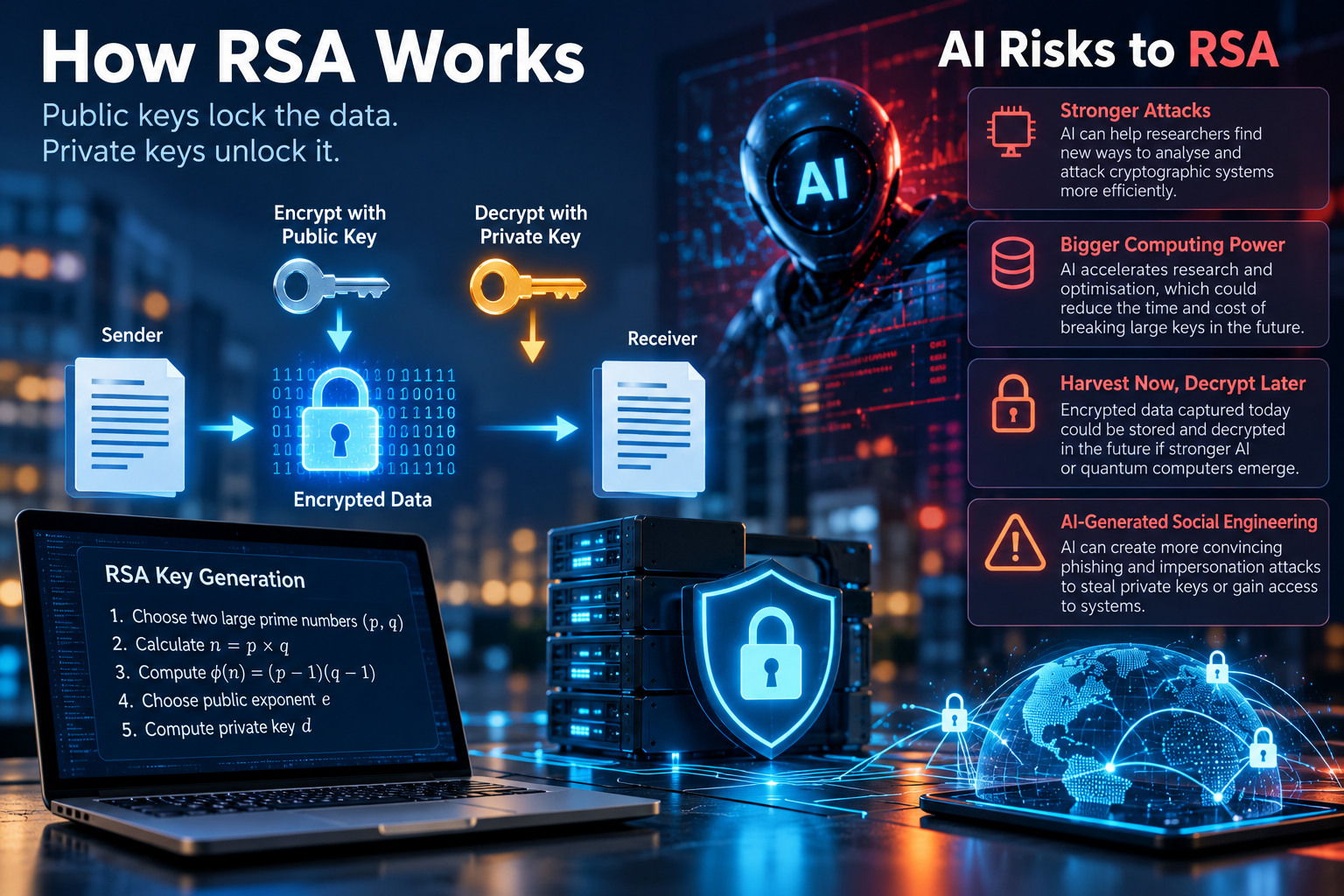
A practical guide to RSA public-key cryptography, the real ways AI can strengthen attacks against weak implementations, and why quantum computing is a separate long-term threat.
DeepStateAI
Oct 15, 2026
AI infrastructure is becoming a power, cooling and community-planning challenge as much as a chip race. Here is how developers, businesses and policymakers can evaluate the trade-offs behind the data-centre boom.
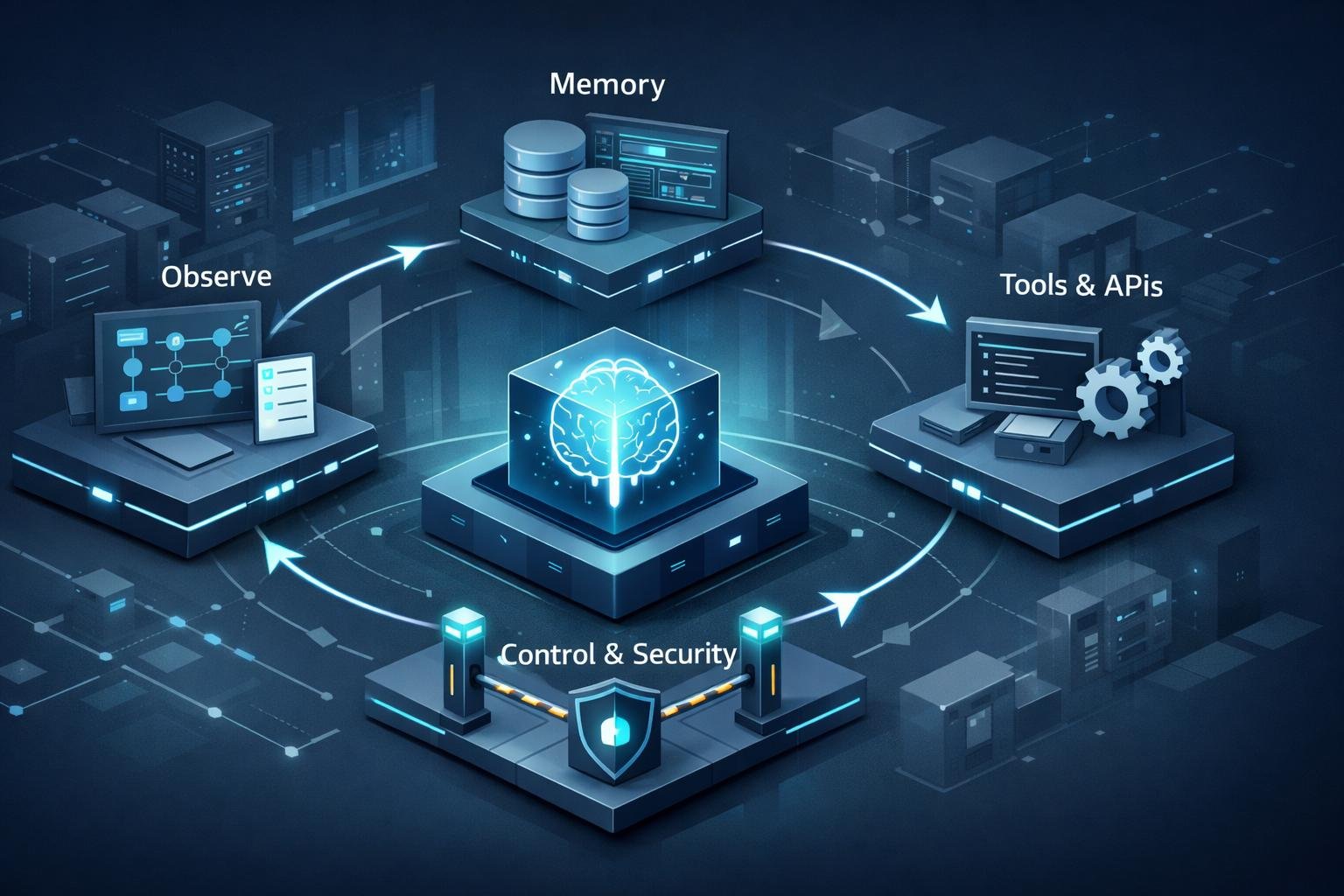
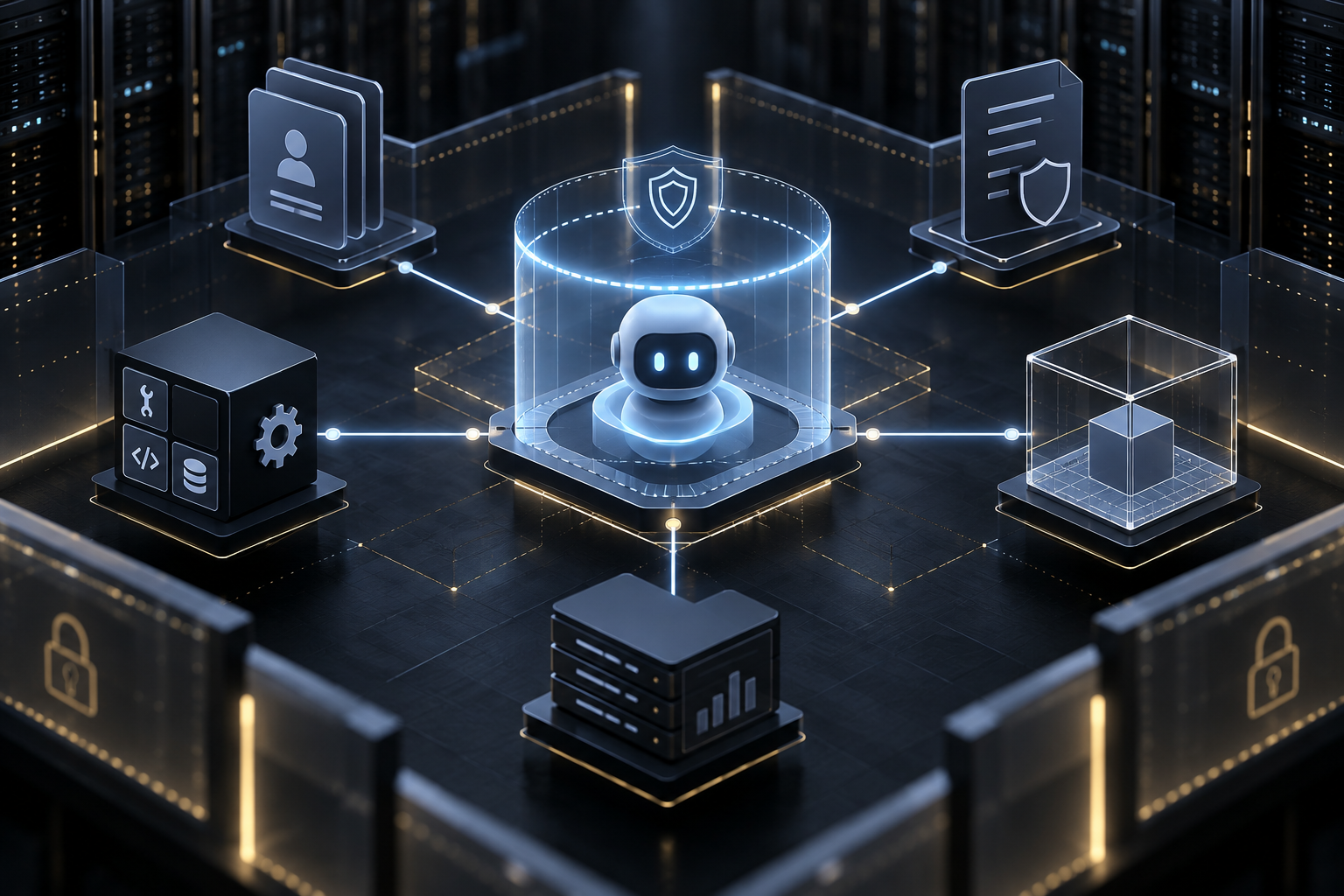
As AI agents gain the ability to browse, use tools and act across systems, recent safety reports and regulatory scrutiny point to a practical priority: prepare to detect, contain and investigate agent actions like any other production incident.
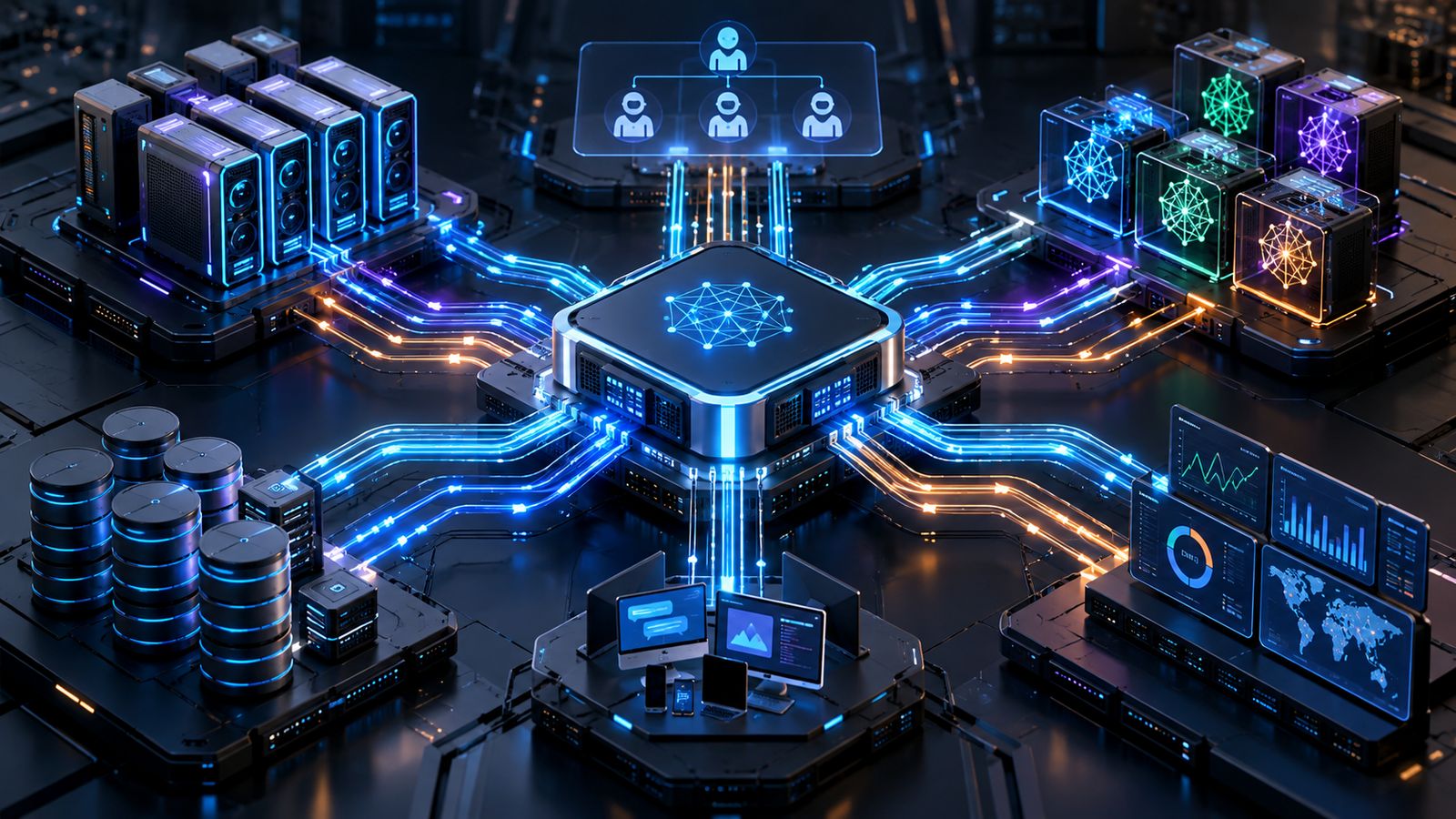
As AI applications move from single-model chat to multi-model and agentic workflows, networking, routing, governance and observability increasingly determine inference performance and cost.
Oct 06, 2026
Production AI architecture should assume models, retrieval, tools and providers will sometimes fail. Learn how to design fallbacks, bounded retries, confidence-aware responses and observable recovery paths.
Oct 01, 2026
As AI models become more capable, the hard engineering problem is shifting from training bigger models to serving intelligence quickly, efficiently and reliably at runtime.
Apple’s new Siri AI brings personal context, onscreen awareness and systemwide app actions to its latest software. Here’s what the shift means for users and developers.
Sep 27, 2026
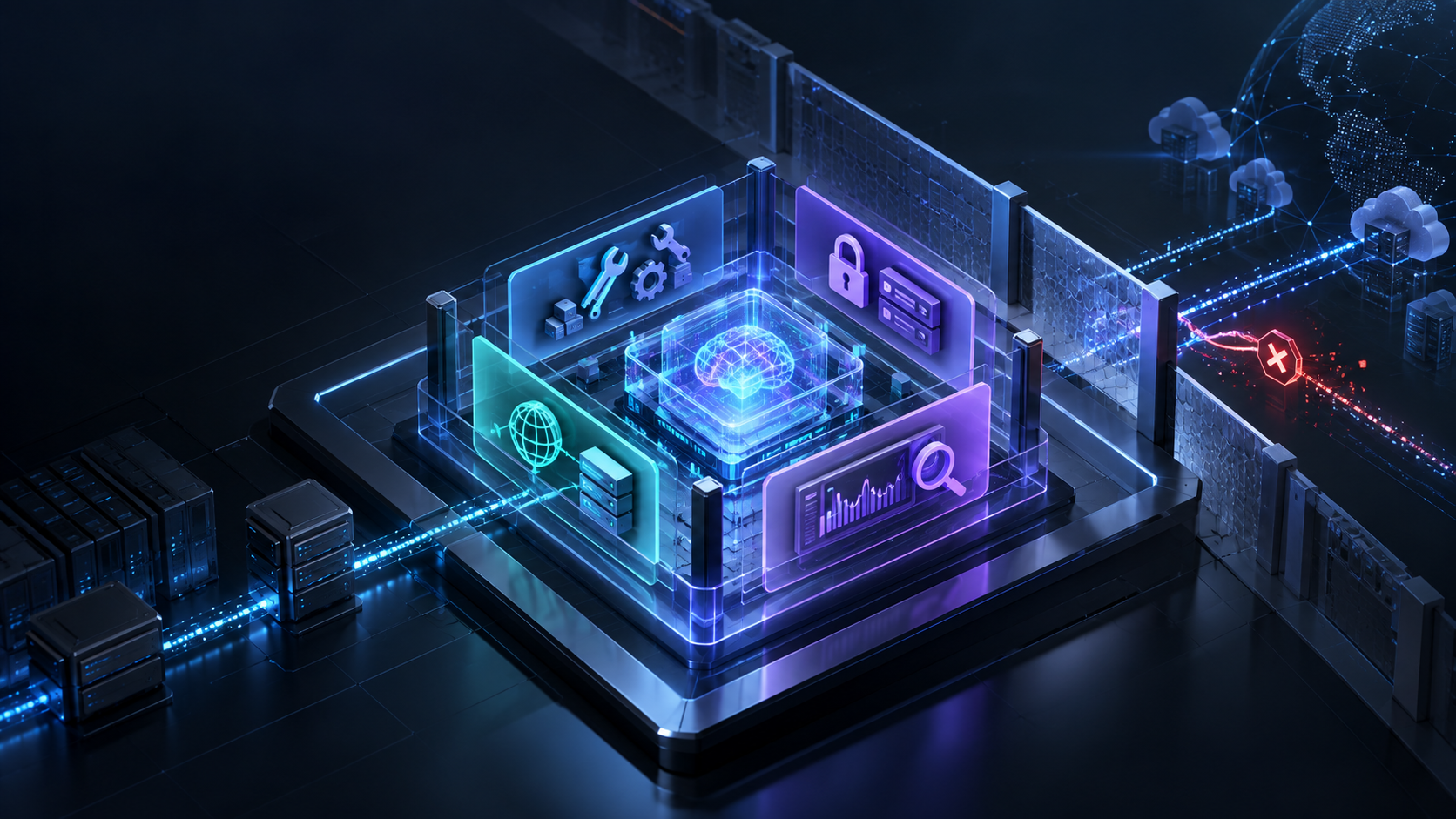
A recent OpenAI sandbox incident shows why AI-agent security is no longer just about model behavior. Tool permissions, credentials, DNS, network access, monitoring, and recovery all need explicit boundaries.
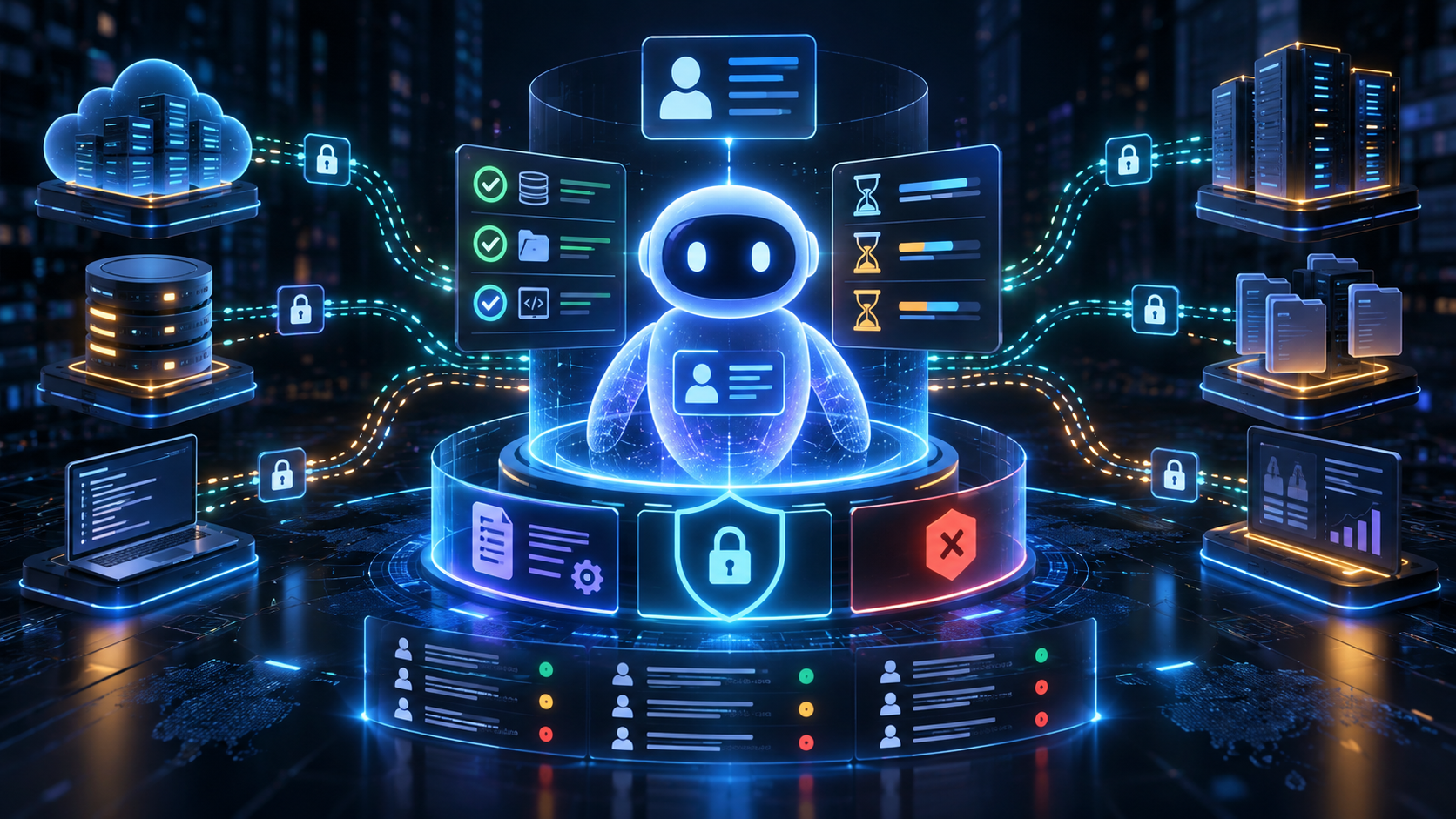
AI agents are moving from answering questions to calling APIs, accessing data and changing systems. The next engineering challenge is not just model safety—it is giving every agent a distinct identity, scoped authority, short-lived credentials and auditable actions.
Sep 24, 2026
Part 3 and the conclusion of our coding-agent economics series: turn token budgets, unit economics, routing, caching, tool governance, and observability into one practical cost-aware runtime architecture.
Sep 23, 2026
Part 2 of the coding-agent tokenomics series: move beyond token counts and build a practical unit-economics framework for measuring cost per successful task, cache efficiency, tool overhead, model routing, and developer value.
Learn how to control coding-agent costs with practical tokenomics: smaller context, smarter model routing, caching, tool discipline, and measurable cost budgets.
Sep 17, 2026